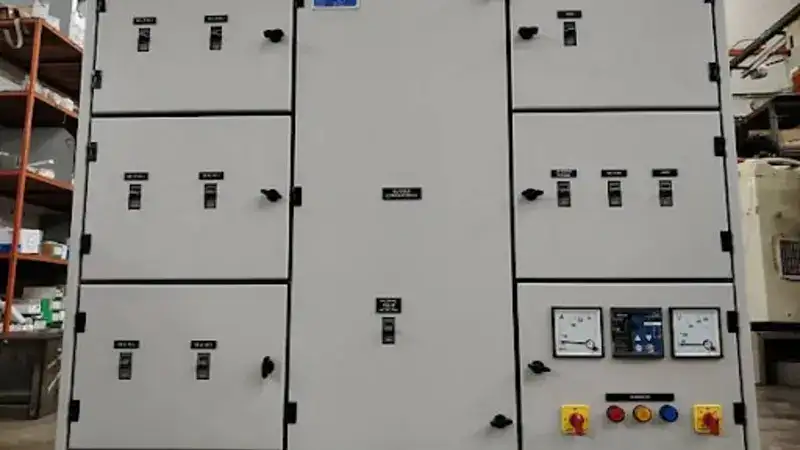
Modern electrical power systems demand safe, reliable, and efficient solutions for controlling and distributing electricity. Among the most widely used solutions in industrial, commercial, and utility environments is metal enclosed switchgear. Known for its robust construction and dependable performance, this type of switchgear plays a vital role in medium voltage power distribution networks.
In this article, we take an in-depth look at medium voltage metal enclosed switchgear, exploring its design principles, performance characteristics, and real-world applications. Understanding how metal enclosed switchgear works can help engineers, facility managers, and decision-makers choose the right solution for their power infrastructure needs.
What Is Metal Enclosed Switchgear?
Metal enclosed switchgear is an assembly of electrical switching and protective devices housed within grounded metal enclosures. It is designed to safely control, protect, and isolate electrical equipment operating at medium voltage levels, typically ranging from 1 kV up to 38 kV.
Unlike open or partially enclosed systems, metal enclosed switchgear provides physical separation between energized components and personnel. This enclosure improves safety, enhances system reliability, and ensures compliance with industry standards.
Medium voltage metal enclosed switchgear is commonly used in:
- Industrial plants
- Commercial buildings
- Utility substations
- Infrastructure projects
Key Design Features of Metal Enclosed Switchgear
The design of metal enclosed switchgear is engineered to balance safety, accessibility, and performance. Each component is carefully arranged within a metal housing to minimize risks while maintaining operational efficiency.
1. Robust Metal Enclosures
At the core of metal enclosed switchgear is its grounded metal housing. This enclosure:
- Protects internal components from environmental contaminants
- Contains electrical arcs and faults
- Shields personnel from live parts
The metal enclosure is typically constructed from steel or aluminum and designed to withstand mechanical stress and fault conditions.
2. Compartmentalized Construction
Most medium voltage metal enclosed switchgear systems feature compartmentalized designs. Individual compartments may house:
- Circuit breakers
- Busbars
- Cable terminations
- Control and protection devices
This separation limits the spread of faults and allows maintenance to be performed on specific sections without shutting down the entire system.
3. Integrated Protection and Control Devices
Metal enclosed switchgear incorporates various protective and control elements, including:
- Circuit breakers
- Relays
- Instrument transformers
- Monitoring devices
These components work together to detect abnormal conditions and isolate faults quickly, preventing damage to connected equipment.
Performance Advantages of Medium Voltage Metal Enclosed Switchgear
Performance is a critical factor when selecting switchgear. Medium voltage metal enclosed switchgear is valued for its consistent operation, fault-handling capability, and long service life.
1. High Reliability Under Load
Designed to handle frequent switching operations and varying load conditions, metal enclosed switchgear maintains stable performance over time. Its sturdy construction minimizes mechanical wear and ensures reliable electrical connections.
2. Enhanced Fault Protection
In the event of short circuits or overloads, metal enclosed switchgear rapidly isolates faults to protect the power system. The enclosed design helps contain arc energy, reducing the risk of widespread damage and improving system resilience.
3. Improved Thermal Performance
Proper ventilation and heat dissipation are built into the design of metal enclosed switchgear. Efficient thermal management:
- Reduces overheating
- Preserves insulation integrity
- Extends component lifespan
This makes medium voltage metal enclosed switchgear suitable for continuous operation in demanding environments.
Safety Benefits of Metal Enclosed Switchgear
Safety is one of the primary reasons for choosing metal enclosed switchgear in medium voltage applications.
1. Personnel Protection
The grounded metal enclosure minimizes direct contact with energized parts. Safety interlocks prevent access to live components, reducing the likelihood of accidental exposure.
2. Arc Fault Containment
Metal enclosed switchgear is designed to contain internal arc faults, limiting their impact on surrounding equipment and personnel. This containment capability is especially important in high-energy medium voltage systems.
3. Compliance with Industry Standards
Most medium voltage metal enclosed switchgear solutions are designed to meet or exceed relevant electrical safety standards. Compliance ensures reliable performance, regulatory approval, and peace of mind for operators.
Applications of Medium Voltage Metal Enclosed Switchgear
Thanks to its versatility and dependable performance, metal enclosed switchgear is used across a wide range of industries and facilities.
1. Industrial Facilities
Manufacturing plants rely on medium voltage metal enclosed switchgear to distribute power to heavy machinery, motors, and process equipment. Its durability and fault-handling capability make it ideal for industrial environments with high electrical demands.
2. Commercial Buildings
Large commercial facilities such as hospitals, data centers, and office complexes use metal enclosed switchgear for reliable power distribution. The compact footprint and high safety standards support efficient space utilization and continuous operation.
3. Utility Substations
Utility companies deploy metal enclosed switchgear in distribution substations to manage power flow and protect grid infrastructure. Its robust design ensures stable operation under varying load and fault conditions.
4. Infrastructure and Transportation Projects
Airports, rail systems, and public infrastructure projects depend on medium voltage metal enclosed switchgear for dependable power delivery. Its enclosed construction protects equipment in challenging environments.
Maintenance and Longevity Considerations
Proper maintenance plays a key role in maximizing the lifespan of metal enclosed switchgear. Routine inspections, cleaning, and testing help identify potential issues before they escalate.
Maintenance best practices include:
- Visual inspections for wear or damage
- Mechanical operation checks
- Electrical testing and thermal imaging
- Recordkeeping for performance tracking
With appropriate care, medium voltage metal enclosed switchgear can deliver reliable service for decades.
Metal Enclosed Switchgear vs. Other Switchgear Types
Compared to open or air-insulated systems, metal enclosed switchgear offers superior safety and environmental protection. While other technologies may offer advantages in specific scenarios, metal enclosed switchgear remains a preferred choice where reliability and personnel protection are critical.
Conclusion
Metal enclosed switchgear continues to be a cornerstone of modern medium voltage power distribution systems. Its robust design, dependable performance, and wide range of applications make it an essential solution for industrial, commercial, and utility environments.
By understanding the design principles and performance benefits of medium voltage metal enclosed switchgear, decision-makers can confidently select equipment that meets safety standards, operational demands, and long-term reliability goals. As power systems evolve, metal enclosed switchgear remains a proven and trusted choice for managing medium voltage electricity safely and efficiently.