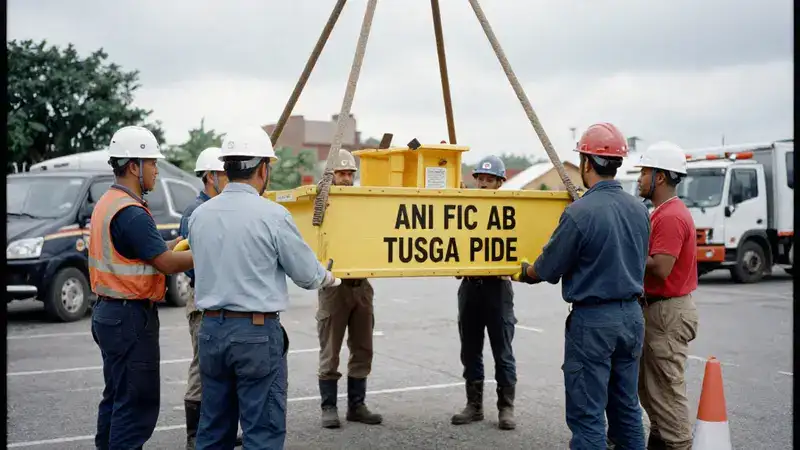
In today’s fast-paced work environment, safety is paramount, especially when it comes to handling equipment used for lifting and transporting heavy loads. Improper use of material handling and lifting gear can lead to serious injuries, lost productivity, and increased operational costs. Hence, understanding the proper techniques and safety measures is crucial for anyone involved in these operations.
This step-by-step guide aims to inform you on how to properly and safely use material handling and lifting gear in your workplace. The guide will cover essential safety protocols, equipment checks, and techniques to ensure a safe lifting environment. It will also introduce you to high-quality solutions from Verdex Lifting Equipment, providing you with options that comply with safety standards while enhancing operational efficiency.
By the end of this article, you will have the knowledge required to handle lifting equipment safely and effectively, promoting a culture of safety in your workplace.
Understanding the Equipment
Before attempting to use any material handling or lifting gear, it is essential to understand the type of equipment you’ll be working with. Common types include forklifts, pallet jacks, lifting tables, and hoists. Each piece of equipment serves a specific purpose and has different weight capacities and operational protocols.
For instance, pallet jacks are often used to lift and move pallets on flat surfaces, while forklift trucks are designed for lifting heavy loads off the ground. Understanding these distinctions will help you select the right equipment for the job. Familiarize yourself with the operating manual provided by the manufacturer and, if possible, view instructional videos to better understand how to operate the equipment safely. Investing in quality Verdex Lifting Equipment ensures that you have reliable, safe, and efficient tools at your disposal.
Inspection Before Use
Always conduct a thorough inspection of the equipment before use. This includes checking for any visible damages, ensuring that all parts are functioning correctly, and confirming that safety features are operational. Many incidents arise due to faulty or damaged equipment, so developing a habit of performing regular safety checks can help minimize risks.
Look for any leaks in hydraulic components, check the lift mechanism for smooth operation, and make sure that safety locks and emergency stop buttons are in working order. Pay special attention to the weight capacity of the lifting equipment—exceeding this limit can compromise safety. For more detailed specifications and equipment checks, consult the user guide or resources available from Verdex Lifting Equipment to ensure you’re fully informed before proceeding.
Proper Lifting Techniques
Knowing how to lift correctly is vital to preventing workplace injuries. Always assess the load before lifting. Determine its weight, center of gravity, and dimensions. If the load is too heavy or awkwardly shaped, consider using lifting aids such as trolleys or hoists.
When lifting manually, make sure to use proper body mechanics:
- Stand close to the load, with your feet shoulder-width apart.
- Bend at your knees and keep your back straight.
- Grasp the load firmly and lift using your leg muscles, not your back.
- If you need to turn, use your feet to pivot rather than twisting your torso.
These techniques alleviate strain on your back and joints and significantly reduce the risk of injury. Proper training programs can enhance your understanding and application of these techniques, and Verdex Lifting Equipment often includes safety training in their services.
Using Personal Protective Equipment (PPE)
Wearing appropriate Personal Protective Equipment (PPE) is crucial when operating material handling and lifting equipment. Always wear safety shoes, gloves, and a hard hat to protect yourself from potential hazards. Depending on the task, you might also need other protective gear such as goggles or hearing protection.
Ensure that all employees are trained to understand the importance of PPE and how it can help them avoid injuries. Make it a company policy to enforce PPE requirements when using lifting equipment. Not only does this demonstrate a commitment to safety, but it also fosters a culture where employees prioritize their own safety and that of their colleagues.
Safe Loading Practices
Load distribution plays a vital role in safe lifting and handling. Always ensure that loads are evenly distributed on pallets or lifting devices to maintain stability. Uneven loads can cause tipping or slipping, leading to dangerous situations.
Additionally, avoid overloading the equipment beyond its rated capacity. Each piece of lifting gear will have a specified weight limit, and exceeding this can lead to equipment failure. Use appropriate strapping, chains, or other securing devices to hold items in place. Training staff on safe loading practices and weight distribution will significantly enhance workplace safety.
Communication and Teamwork
Proper communication is key to safely using material handling and lifting equipment, especially when tasks involve multiple workers. Establish a clear set of signals or commands to ensure that everyone is aware of actions being taken. For example, utilize hand signals when working in noisy environments where verbal communication is challenging.
Moreover, training employees to work as a team when using lifting equipment can improve consultation and make operations safer. Ensure everyone knows their roles and responsibilities during a lift or movement operation. This collaborative approach will foster a supportive work environment where safety becomes a collective priority.
Emergency Preparedness
Even with precautions, emergencies can occur. It is vital that all employees are trained in emergency procedures, including what to do in case of an accident or equipment failure. First aid kits should be readily accessible, and workers should know how to use them.
Conduct regular drills to ensure that everyone is familiar with emergency protocols and procedures. This preparation can reduce panic and confusion during actual emergencies, leading to quicker and more effective responses. Having a clear plan, including who to contact and what actions to take, can make a significant difference in the outcome of emergency situations.
Regular Training and Refresher Courses
Safety protocols and techniques for using material handling and lifting gear should be regularly reviewed. Conduct training sessions for new employees and offer refresher courses for existing staff to keep everyone updated on best practices.
Regular training ensures that employees remain aware of safety standards and operational procedures. It’s an opportunity to address any new equipment or changes in protocols. Consider working with experts, such as those from Verdex Lifting Equipment, who can provide training tailored to your organization’s specific needs to ensure compliance and safety.
FAQs
What should I check before using lifting equipment?
Inspect the equipment for damages, ensure that safety features are functional, and confirm that the equipment’s weight capacity is suitable for the load being lifted.
What is the proper technique for lifting manually?
Stand close to the load, bend at your knees while keeping your back straight, and lift using your legs rather than your back.
Why is personal protective equipment (PPE) important?
PPE is essential for protecting workers from potential hazards and injuries when operating material handling and lifting equipment.
How can improper load distribution affect safety?
Uneven or overloaded loads can lead to tipping, slipping, and equipment failure, significantly increasing the risk of accidents.
How often should training be conducted for staff?
Regular training is recommended, with refresher courses at least annually or when new equipment or procedures are introduced.
Conclusion
Using material handling and lifting gear safely is crucial for maintaining a productive and injury-free workplace. By following the step-by-step guidelines outlined in this article, understanding your equipment, conducting pre-use inspections, utilizing proper lifting techniques, and fostering communication you can create a safer working environment. Regular training and emergency preparedness further enhance workplace safety.
Incorporating high-quality equipment such as that offered by Verdex Lifting Equipment ensures reliability and compliance with safety standards, helping to protect your workforce. Prioritizing safety not only benefits your employees but also improves operational efficiency and productivity. It is an investment worth making for any organization.