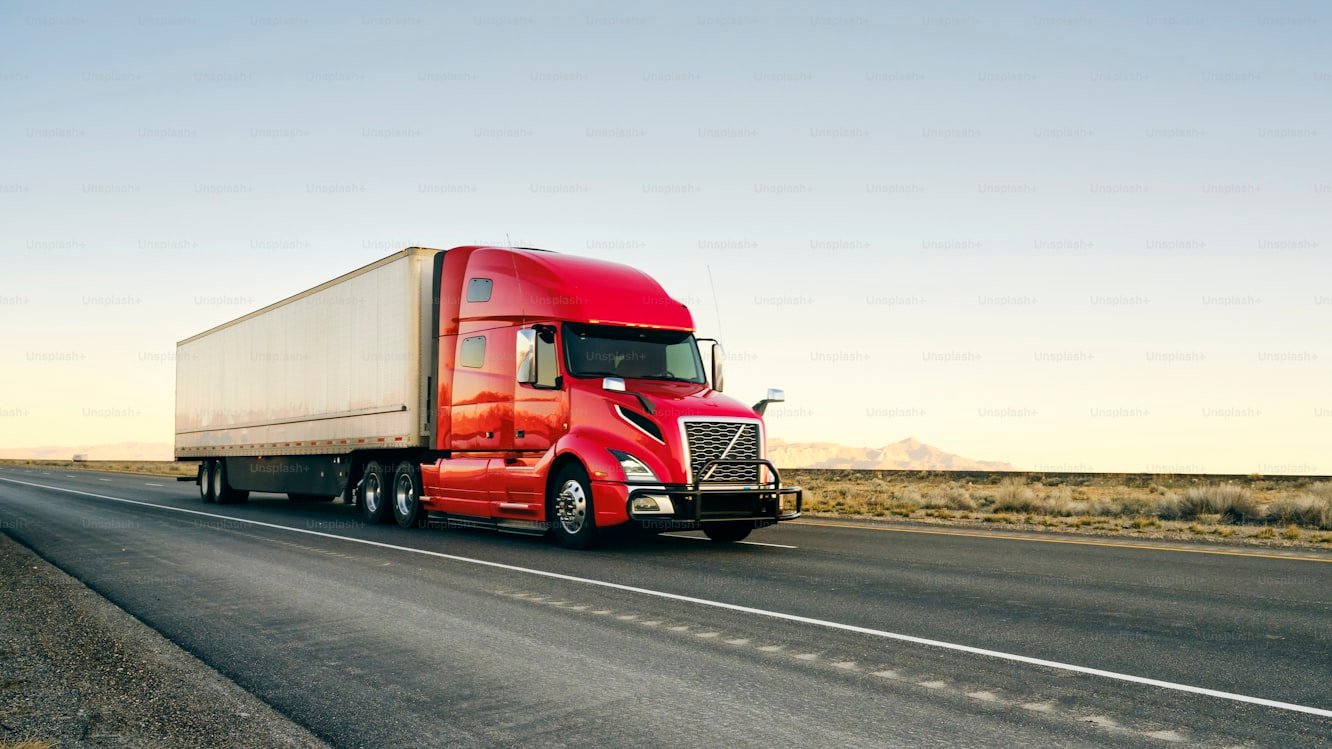
Heavy haul transportation is a crucial aspect of many industries, ranging from construction to agriculture and mining. As businesses increasingly rely on the movement of oversized and heavy equipment, ensuring safety and efficiency becomes paramount. Transporting large machinery and equipment comes with unique challenges, including regulatory compliance, logistical hurdles, and operational risks. Therefore, it’s vital to adopt best practices that will not only protect the equipment but also those involved in the transportation process.
With the help of professionals like Freedom Heavy Haul, you can streamline your heavy haul transportation processes while addressing these challenges effectively. This blog post will provide you with seven essential tips to ensure your heavy haul transportation is both safe and efficient.
1. Understand Regulations and Permit Requirements
Before embarking on any heavy haul transport project, it’s crucial to understand the various regulations and permits required in your state or municipality. Oversized loads often necessitate specific permits to legally move them on public roads. This includes understanding route restrictions, weight limits, and any necessary escort requirements. You can usually obtain permits from your local Department of Transportation (DOT).
Familiarity with these regulations ensures that you’re not subjected to fines or delays. Moreover, working with experienced transport companies like Freedom Heavy Haul can simplify this process, as they often handle permits as part of their services. Knowing the regulatory landscape is the first step in ensuring that your heavy haul transportation goes smoothly.
2. Choose the Right Equipment and Trailer
Selecting the appropriate trailer for your cargo is paramount for ensuring safety and efficiency. Different types of trailers are suited for various kinds of heavy equipment, including flatbed, step-deck, or RGN (Removable Gooseneck) trailers. Each option has its unique benefits based on the size, weight, and type of equipment being transported.
Consider factors such as loading and unloading ease, weight distribution, and the route conditions when making your choice. Consulting with specialists at Freedom Heavy Haul can help you determine the most suitable trailer for your needs. Making the right decision here can save time and reduce the risk of damage during transit.
3. Plan Your Route Carefully
Effective route planning is essential for successful heavy haul transportation. Not all roads are suitable for oversized equipment; low bridges, narrow roads, and construction can create obstacles that delay your transport. Therefore, map out your route in advance and check for any obstacles along the way.
Utilizing logistical software or consulting with experts can help you identify the best roads for heavy haul transportation. Inspections of the route can also be useful, as they allow for contingency plans to be established. Logistics professionals like those at Freedom Heavy Haul can provide insights based on their extensive experience.
4. Conduct Pre-Transport Inspections
A thorough inspection of both the equipment being transported and the transport vehicle is crucial for ensuring safety. Check for any issues, such as fluid leaks, tire conditions, and the functionality of lights and signals. Additionally, verify that the load is correctly secured to prevent shifting during transit.
Investing time in pre-transport inspections not only enhances safety but also minimizes the risk of unexpected delays and damages. A checklist can be a practical tool here, ensuring that every aspect is covered. Companies like Freedom Heavy Haul prioritize this step to safeguard both their drivers and the cargo.
5. Use Proper Loading Techniques
Loading heavy equipment requires skill and precision to prevent accidents and ensure that the load is balanced. Using hydraulic lifts or loading ramps can make this process easier and safer. Make sure that the equipment is positioned correctly on the trailer and is within legal weight limits.
Always utilize appropriate tie-downs and straps to secure the load. This prevents movement during transit and ensures that the equipment remains stable. Employing specialized loaders or working with professionals like Freedom Heavy Haul can enhance safety and efficiency during the loading process.
6. Train Your Drivers
Your drivers are the backbone of your heavy haul transportation operation, making it crucial to ensure they are well-trained and knowledgeable about the specific requirements of transporting oversized equipment. Organize training programs to keep them updated on the latest safety protocols, regulations, and loading and unloading techniques.
A well-informed driver is better equipped to deal with challenges that may arise. Having a dedicated team that understands the nuances of heavy hauling can significantly minimize risks. Partnering with transport companies like Freedom Heavy Haul ensures that you have access to experienced drivers who are trained for heavy haul scenarios.
7. Monitor and Communicate During Transit
Real-time monitoring and communication are essential during heavy haul transportation. Use GPS tracking systems to keep tabs on the location and condition of the equipment. Regularly checking in with the driver can help identify potential issues as they arise, allowing for timely interventions.
Establishing a communication protocol ensures that everyone involved in the process stays informed and proactive. Good communication also extends to clients, providing them with updates throughout the transportation process. Companies like Freedom Heavy Haul often implement these measures, ensuring that heavy haul logistics run smoothly.
FAQs
What types of equipment can be transported with heavy haul trucking?
Heavy haul trucking can accommodate a range of equipment, including bulldozers, cranes, excavators, and oversized machinery.
How long does it take to transport heavy equipment?
The duration depends on various factors, including distance, route conditions, and any necessary permits. Typically, it could take anywhere from a few days to several weeks.
Do I need a permit for heavy haul transportation?
Yes, in most cases, special permits are required for oversized loads. It’s essential to check with local regulations.
How can I ensure my equipment is safe during transport?
Conduct thorough pre-transport inspections, use proper loading techniques, and secure the load appropriately to minimize risks.
Why should I choose a professional heavy haul company?
Working with professionals ensures compliance with regulations, provides expert knowledge in route planning, and enhances the safety and efficiency of your transportation.
Conclusion
Transporting heavy equipment is a complex process that necessitates careful planning and attention to detail. By implementing these seven essential tips, businesses can significantly enhance the safety and efficiency of their heavy haul transportation. From understanding regulations to selecting the appropriate equipment and conducting pre-transport inspections, each step plays a vital role in ensuring a successful outcome.
Leveraging the expertise of professional companies like Freedom Heavy Haul can further streamline this process, providing peace of mind during each transport project. Adhering to these guidelines will not only save time and money but also ensure the safety of both personnel and equipment.