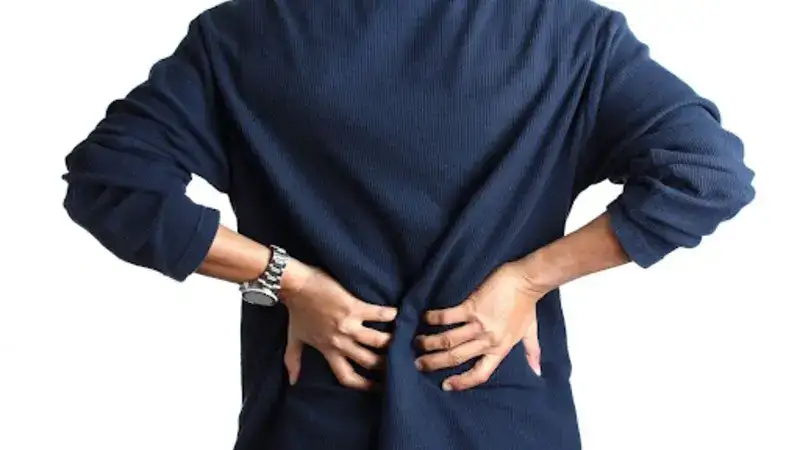
Lumbar radiculopathy can limit movement, interrupt work, and create persistent discomfort that radiates from the lower back into the legs. Many individuals in New York look for treatment options that offer precision, smaller incisions, and dependable improvement without long recovery periods.
Patients often begin their search with Lumbar Radiculopathy Treatment in New York, which provides access to specialized techniques designed to target compressed nerves directly. These approaches address the structural source of the problem with the help of advanced visualization tools and minimally invasive surgical methods.
Approaches That Target the Root of Nerve Compression
The primary objective of lumbar radiculopathy care is to ease pressure on the affected nerve root. Modern options prioritize accuracy and minimize tissue disruption, making it possible to restore function while protecting surrounding structures.
Common clinical steps include:
- Precise Imaging Assessments that identify the location and severity of nerve impingement
- Endoscopic Access Points that allow specialists to treat the problem through a very small incision
- Specialized Instruments that improve the accuracy of decompression
- Movement Guidance After Surgery to support safe recovery and steady mobility
This combination of targeted methods creates a streamlined process that supports both safety and efficiency.
Benefits of Modern Lumbar Radiculopathy Techniques
Today’s minimally invasive spine procedures have become a preferred option for many New York patients. These treatments aim to correct with minimal disruption to the body, producing dependable outcomes while reducing the need for extended downtime.
Advantages often include:
- Shorter recovery periods compared to traditional open surgery
- Small incision size and minimal scarring
- Lower postoperative discomfort due to limited muscle disturbance
- Greater accuracy with nerve decompression
- Faster ability to resume regular activities
These benefits make minimally invasive approaches particularly appealing to those balancing demanding work schedules or active lifestyles.
Personalizing Treatment for Better Function
Each patient’s lumbar radiculopathy develops differently, which is why individualized treatment planning is essential. Specialists often evaluate physical symptoms, nerve involvement, medical history, and functional limitations before recommending any procedure. This ensures that the chosen method aligns with the specific needs and long-term goals of the patient.
Some individuals may respond to nonsurgical strategies, while others may require a focused decompression through endoscopic techniques. The use of advanced tools allows surgeons to work through a tiny incision that is smaller than a pencil eraser. This method preserves healthy tissue and supports a smoother recovery experience.
For those experiencing leg pain, tingling, or weakness connected to lower back nerve compression, considering lumbar radiculopathy treatment in New York can provide access to some of the most refined spine care options available. With techniques designed to improve stability and comfort, patients can move toward stronger mobility and long-term functional improvement.